




The villa neighborhood of North Tel Aviv: built by Haganah commanders, quiet, green and rare, with a housing stock that almost never changes hands
RS Nadlan is a real estate marketing and brokerage company working in Tel Aviv, Ramat HaSharon, Herzliya, Ra’anana and Kfar Saba, specializing in the neighborhoods of North Tel Aviv. Our offices are in Ramat Aviv Gimel, the neighborhood that borders Afeka to the northwest. Afeka is one of the most sought after and discreet neighborhoods in Israel: villas and private homes on half dunam lots, quiet streets with mature trees, Tel Aviv University on its southern border, and residents, many of whom have lived here for decades. In a neighborhood where deals are almost nonexistent, the difference between a good purchase and an excellent one is early information. We know the streets, the homes and the deals that have closed in the neighborhood, and we guide buyers and sellers with complete discretion, including Off Market properties that are not advertised on listing sites.
The story of Afeka begins even before the founding of the state. In the summer of 1943 the “Afek Association” was formed, a group of Haganah commanders who wanted to build homes for their families, and in 1954 to 1955 the neighborhood was built across the Yarkon by “Afeka, Haganah Commanders Housing, a Cooperative Society”. The first 107 homes were built together as a single project. The name “Afeka” means “to Afek”, that is, toward Tel Afek.
Today Afeka covers 534 dunams and combines impressive villas, which over the years replaced the original homes, with cottages and low rise buildings of up to four stories. The main streets are HaMitnadev, Komemiyut, Hish, Zelig, Shmuel Barkai, Manya and Israel Shochat, and Shfeya.
The neighborhood borders Tel Baruch and the Ayalon Highway to the east, Tel Aviv University to the south, Neve Avivim to the west and Ramat Aviv Gimel to the northwest. Over the years its residents have included Mike Harari, Motta Gur, Shlomo Lahat, Rafi Eitan, Shmuel Barkai, Ephraim Kishon and Batsheva de Rothschild.
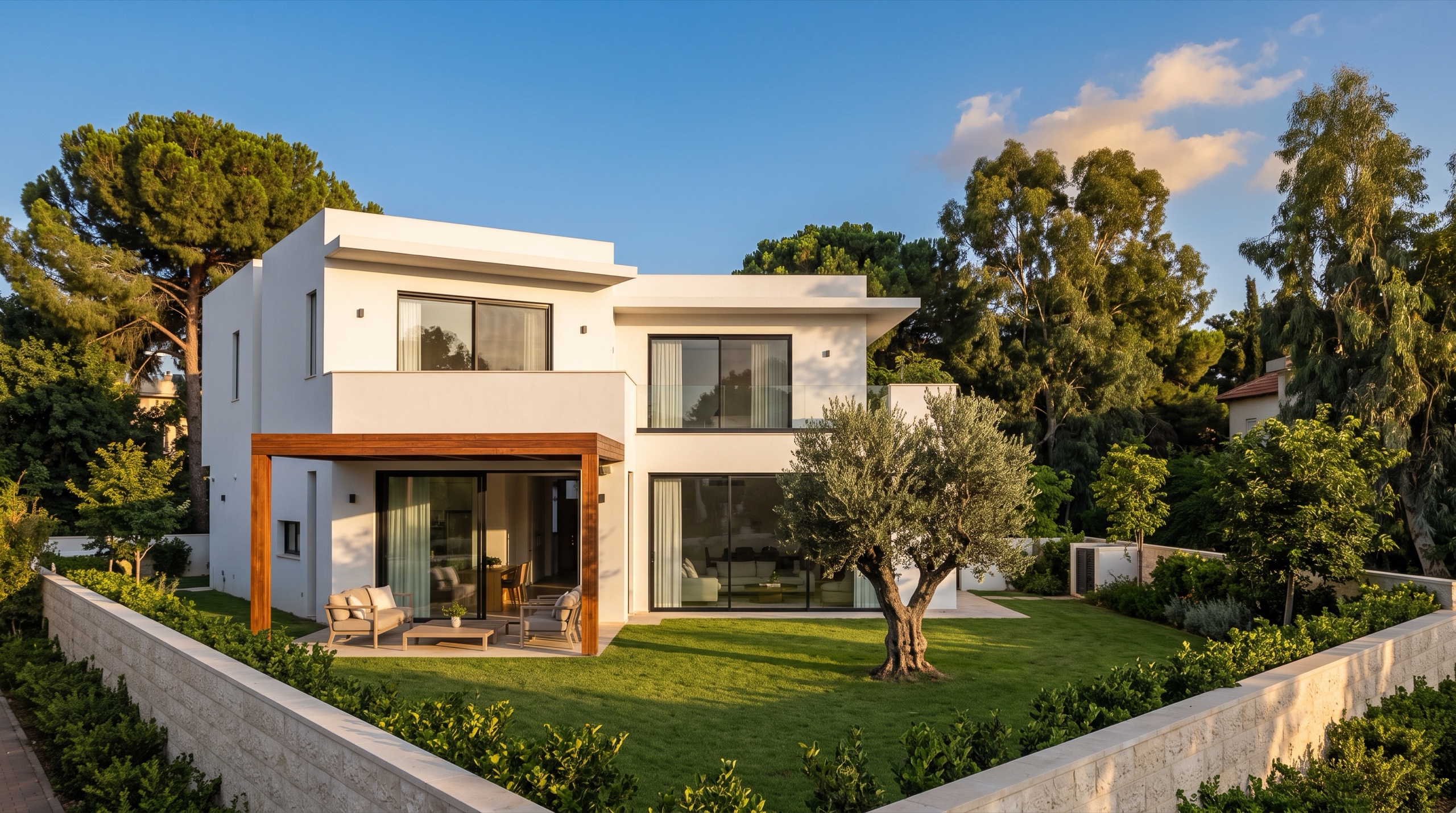
Afeka is a quiet residential neighborhood with no municipal schools inside it. Children study in the neighboring neighborhoods, home to some of the most highly regarded schools in the city, all a short drive away.
4 Kadesh Barnea Street, in neighboring Ramat Aviv Gimel. About 459 students.
35 Reading Street. About 214 students.
27 HaMitnadev Street, inside Afeka. Open Sunday to Thursday, 7:30 AM to 7:30 PM.
81 Namir Road. About 1,447 students.
226 Bnei Efraim Street, in Neot Afeka. About 1,626 students.
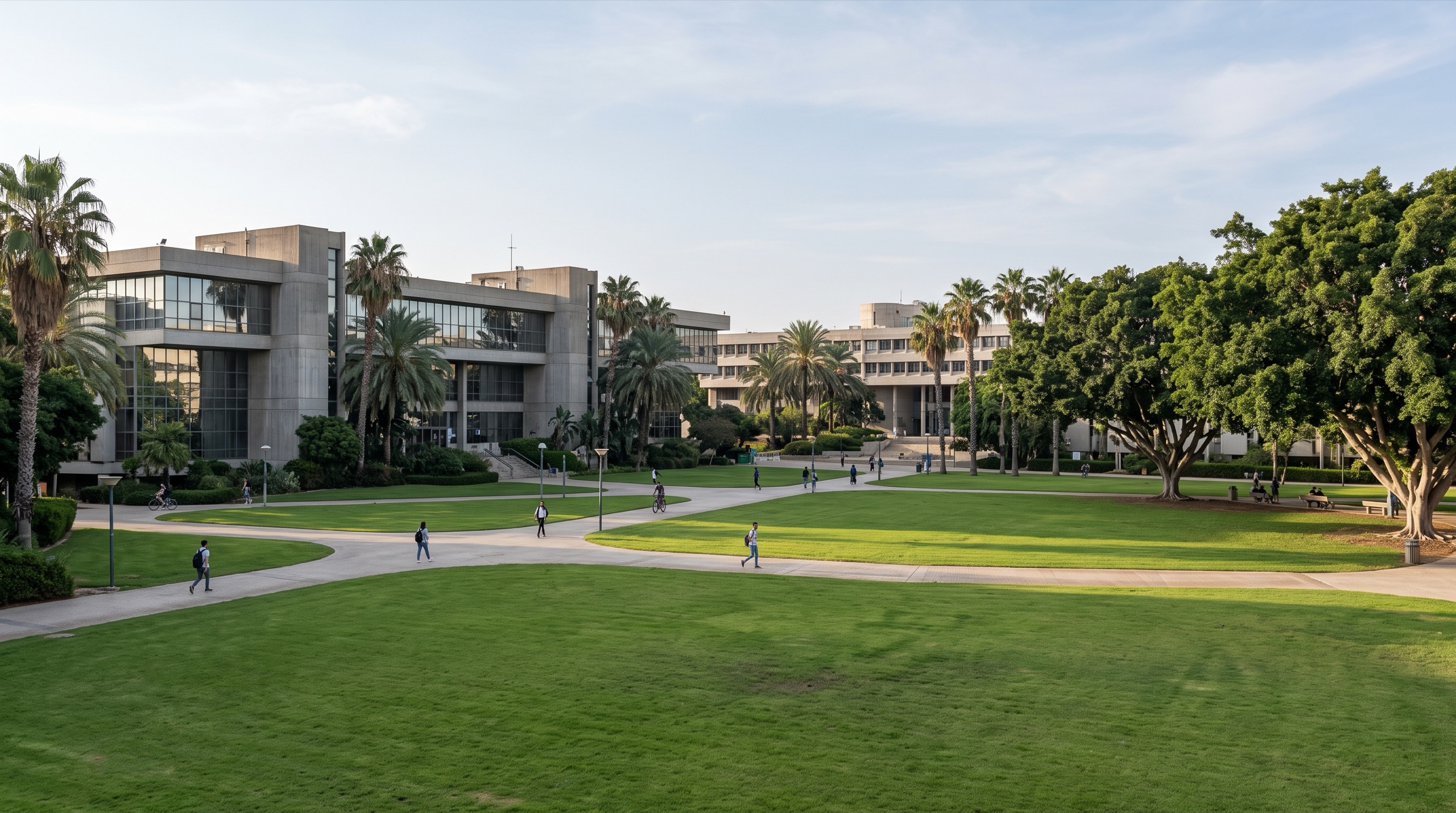
Tel Aviv University, with about 26,500 students, borders the neighborhood to the south. Afeka, the Academic College of Engineering, is at 38 Mivtza Kadesh Street.
The Afeka synagogue tells the story of the neighborhood: it was built in the early 1970s by residents of the neighborhood, among them Haganah commanders and officers, to a design by architect Yaakov Gazit, himself a resident, and its cornerstone was laid in 1966. It remains active to this day.
16 Hish Street. Ashkenazi rite, with regular prayers and Torah classes.
49 Shmuel Barkai Street. A center for sports, rehabilitation and social activity run by the IDF Disabled Veterans Organization, and one of the best known institutions in Afeka.
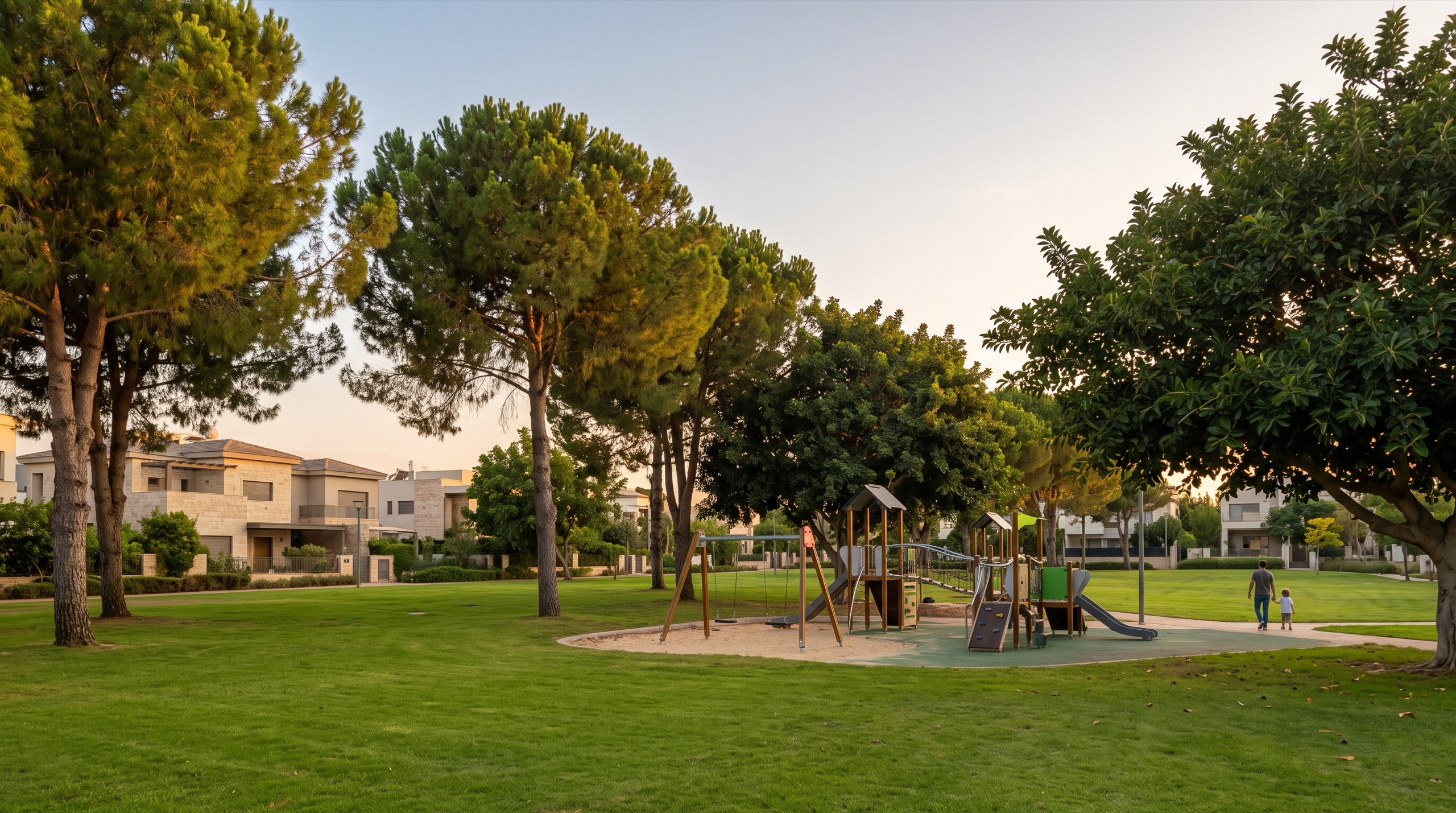
On Komemiyut Street: wide lawns and playground equipment. The Dresner Grove adjoins the north of the neighborhood.
The Hadar Afeka Community Center on Kehilat Kiev Street also serves Afeka, and the Neot Afeka Community Country Club at 16 Saloniki Street includes a gym and several pools. The Ramat Aviv Gimel library is at 2 Dresner Street.
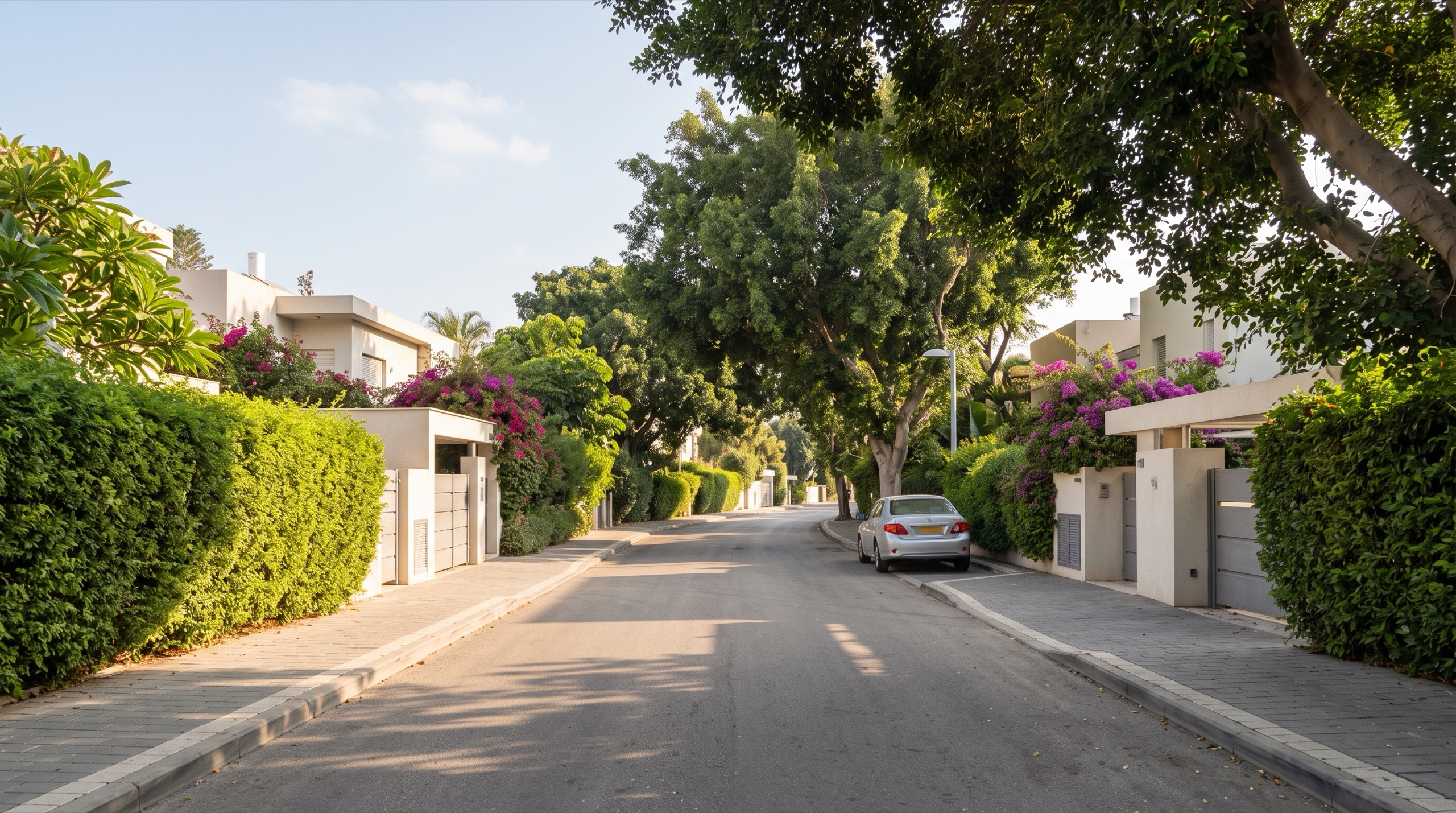
Afeka itself has almost no commerce, and that is part of its charm. Shopping is done in the neighboring neighborhoods: the Shoster Center in Ramat Aviv Gimel, the Brodetsky Center in Ramat Aviv, and Ramat Aviv Mall at 40 Einstein Street, which opened in 1997 and has about 120 shops on two floors.
In Neot Afeka, to the east, there is a row of neighborhood cafés, including one of the oldest pastry shops in the north of the city.
21 Moshe Sneh, Neot Afeka. A long established café and pastry shop: breads, cakes and cream puffs.
15 Lea Goldberg and 13 Natan Alterman, Neot Afeka.
13 Natan Alterman, Neot Afeka. A kosher café where everything is gluten free.
11 Kehilat Saloniki, Neot Afeka.
280 Bnei Efraim, Neot Afeka.
1 Abba Ahimeir, also open on Friday and Saturday.
Branch 833, 43 Brodetsky.
40 Einstein. About 120 shops, restaurants and cafés.
17 to 43 Brodetsky. Cafés, restaurants, a supermarket and a bank.
Ancient history lies hidden beneath Afeka. Excavations led by Jacob Kaplan in 1951 to 1952 uncovered seven burial caves in the neighborhood dating from the first to the fourth centuries CE, and excavations in 2015 found structures and an irrigation system from the Late Roman and Byzantine periods.
North of the Ramat Aviv neighborhoods lies the Glilot Ecological Park, with the Ahiya stream, Samaritan burial caves, narcissus and Israeli iris, and a plan for three urban nature parks covering more than 300 dunams. To the south is the museum complex on Haim Levanon Street: the Eretz Israel Museum, inaugurated in 1959 and home to Tel Qasile, and the Palmach Museum. And Tel Baruch Beach, with its Blue Flag and a promenade that runs to the Tel Aviv Port, is a short drive away.
Tel Aviv University station, on the Ayalon Highway, is about a 10 minute walk from the neighborhood. In 2025, 6 million passengers passed through it, making it the fourth busiest station in the country.
Metropoline line 24 stops at the Afeka and Keren Kayemet Boulevard stop, the Keren Kayemet Boulevard and Haim Levanon stop, and the University stop. There is another stop near Beit HaLochem on Barkai Street.
Section G4 of the Green Line, 5.9 km long, will connect Tel Aviv University to Kiryat Atidim, including a bridge over the Ayalon. A terminal is being built at the train station to link it to the Green Line and the campus.
Being close to the Ayalon Highway and Keren Kayemet Boulevard allows a quick exit north and south, without through traffic running along the quiet streets of the neighborhood.
According to Bizportal (July 2026), a typical villa in Afeka on a lot of about half a dunam trades at around ₪15.5 to ₪16.5 million, and on the most prestigious streets, such as Shfeya Street in the south of the neighborhood, deals of about ₪30 million have been recorded in the past. The price per sqm in regular deals ranges around ₪41,000 to ₪50,000, and in boutique projects a few isolated deals of about ₪85,000 per sqm have been recorded. An apartment in an older building that has not yet gone through renewal trades at around ₪5.5 to ₪6 million.
The trend is clear: on Manya and Israel Street, for example, the price per sqm rose from about ₪41,700 in 2024 to about ₪50,200 in 2025. But the most important figure in Afeka is supply: the stock of ground level homes almost never turns over, and many homes pass from family to family without ever being advertised.
For buyers in Afeka, the work begins long before a property comes on the market: getting to know the homeowners, understanding the building rights on the lot, and checking the exact status of the plans on the street.
Properties for sale in Afeka fall into two groups: a villa for sale in Afeka on a lot of about half a dunam, especially suited to families, and apartments in the low rise buildings of up to four stories and in the new boutique projects. The price per sqm in Afeka in regular deals ranges around ₪41,000 to ₪50,000, and anyone considering a building near Barkai Street will find answers in the guide to Pinui Binui and TAMA 38. And as for what your home is worth, the answer starts with a home valuation in Afeka.
Data sources: Bizportal (July 2026), TheMarker (November 2024), Wikipedia, Tel Aviv-Yafo Municipality (Statistical Yearbook 2024). The figures are neighborhood averages and do not replace a valuation of a specific property.
Our valuation calculator combines real deals in the neighborhood with the features of your property, and gives you an estimate within a minute, free and with no commitment.
Get a free valuation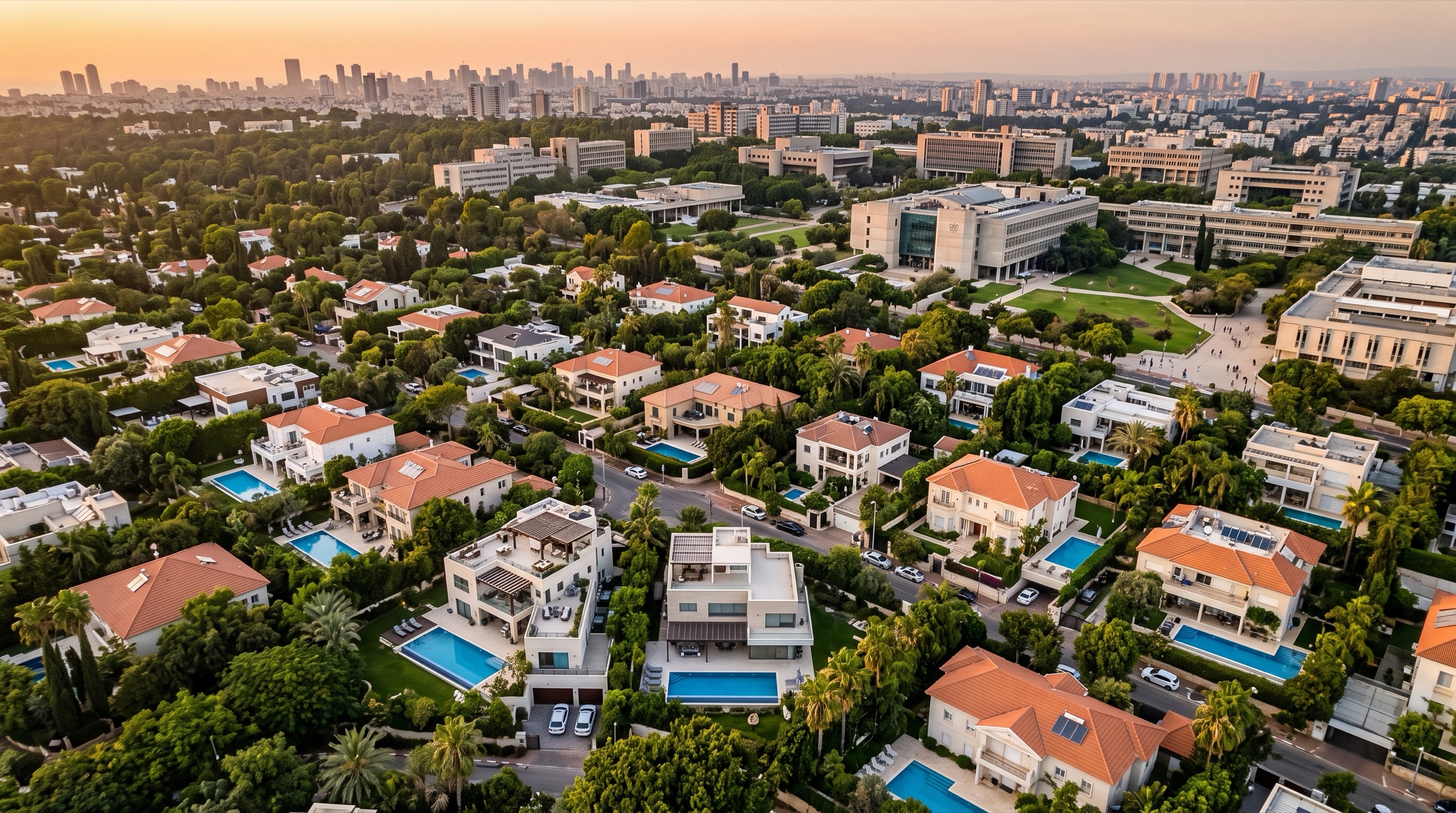
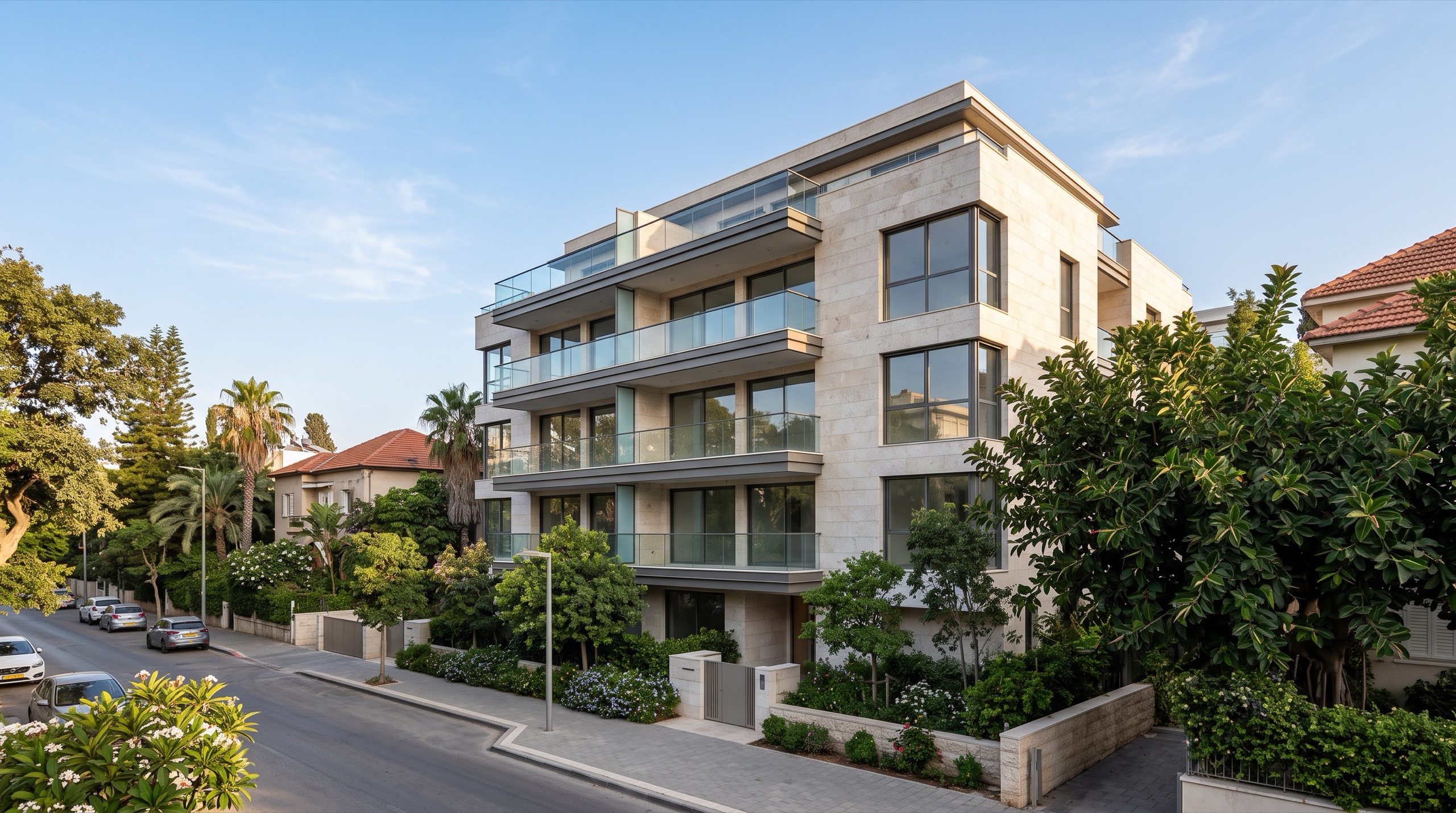
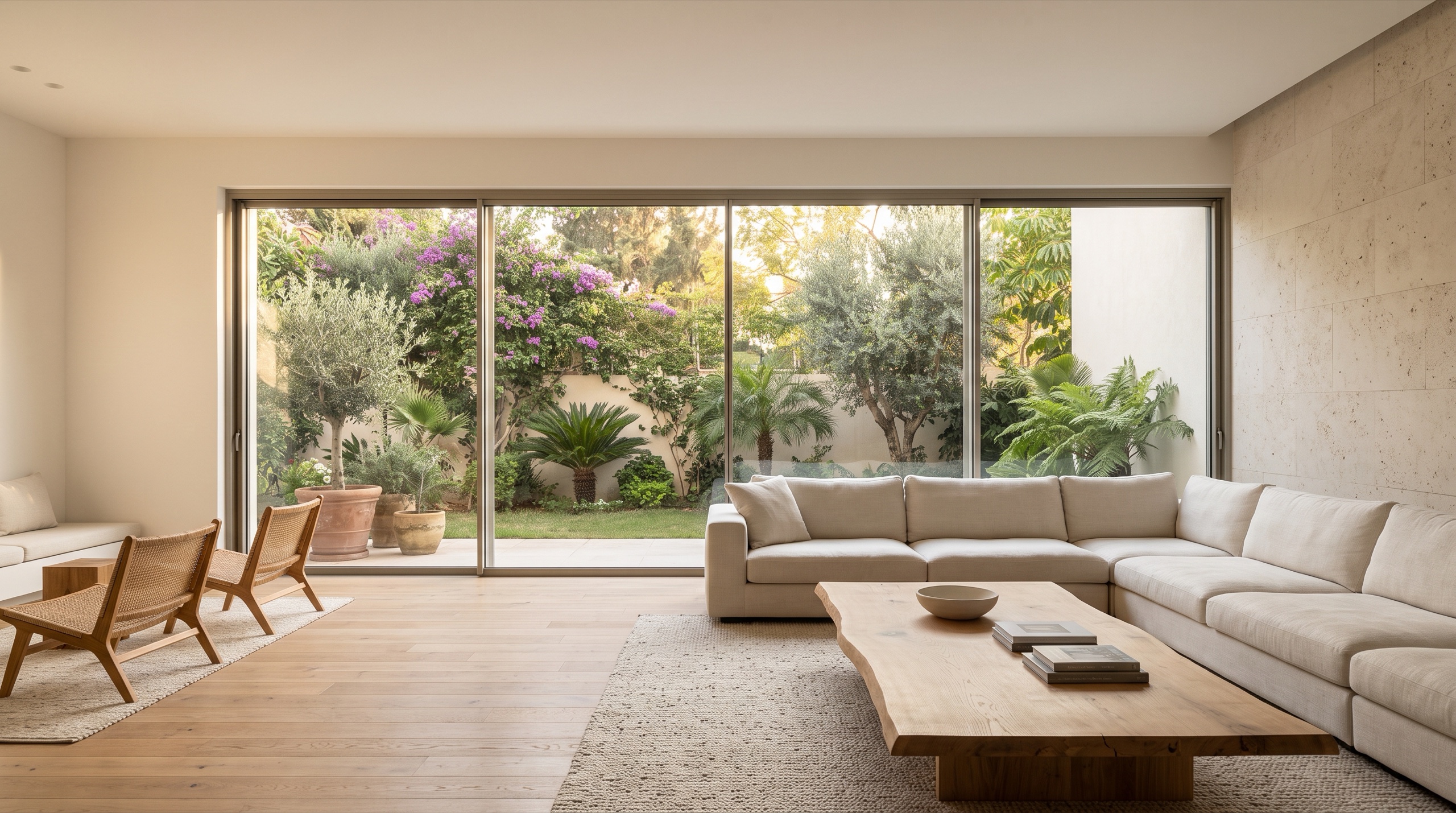
* Images for illustration only (renderings).

In Afeka, most of the good deals never reach the listing sites. Villa owners prefer a quiet approach, serious buyers want to see only properties that truly suit them, and both sides need a deep understanding of building rights, lot size and what has actually closed on the street.
RS Nadlan has worked in the Golden Triangle neighborhoods since 2015, knows the homeowners and the streets, and holds a unique property database, including properties that are not advertised. We guide buyers and sellers from the first meeting to the handing over of the keys, with complete discretion.
Anyone looking for a broker in Afeka needs someone who understands two markets within the same neighborhood: villas on half dunam lots, where the lot holds most of the value, and apartments in the low rise buildings and boutique projects around Barkai Street. Our real estate brokerage in Afeka covers selling and buying villas, luxury properties and apartments, valuations based on real deals, and marketing apartments in Afeka to buyers who are looking for exactly this neighborhood.
For anyone planning the sale of a house or apartment in Afeka, we offer exclusive brokerage with a discreet marketing plan, and sometimes a quiet sale as an Off Market property through direct outreach to buyers in our database. For buyers, we find villas and apartments for sale in Afeka, and from our offices in neighboring Ramat Aviv Gimel we reach every street in the neighborhood within minutes.
According to Bizportal (July 2026), a typical villa on a lot of about half a dunam trades at around ₪15.5 to ₪16.5 million, and on the most prestigious streets deals of about ₪30 million have been recorded in the past. An apartment in an older building trades at around ₪5.5 to ₪6 million.
Afeka is the long established villa neighborhood built in the 1950s by Haganah commanders, between the university and Ramat Aviv Gimel. Neot Afeka A and B, to its east, were built from the 1960s and 1970s on and consist mainly of apartment buildings, with lower prices and more neighborhood commerce.
There are no municipal schools inside Afeka, and children study in the neighboring neighborhoods, for example at Magen School at 4 Kadesh Barnea in Ramat Aviv Gimel and at Alumot at 35 Reading. For high school, there is Tichon Hadash named after Rabin at 81 Namir Road and Amal Lady Davis at 226 Bnei Efraim. The Gan Aviv kindergarten operates at 27 HaMitnadev Street.
The stock of ground level homes in the neighborhood almost never turns over. Many of the homes have been held by the same families for decades, and some deals close through direct approaches, without any advertising. That is why it pays to work with an agency that knows the homeowners and can present properties even before they come on the market.
The offices of RS Nadlan are at Kashani 3G, Ramat Aviv Gimel, Tel Aviv, a few minutes from Afeka. Visits by appointment only. You can leave your details in the form at the bottom of the page, and a real estate advisor will get back to you for an introductory call and further details.
Choose someone who knows the streets and the homeowners, from HaMitnadev and Komemiyut to Shfeya, and who can tell the value of the lot apart from the value of the villa standing on it. Ask for pricing based on recorded deals, a discreet written marketing plan for the exclusivity period, a transparent commission agreed in advance, and a valid license (how to check a broker’s license). A good real estate agency in Afeka will also know the status of the plans on the street, such as the Pinui Binui around Barkai Street.